Category: crealectics
-

Friendly Nothing
Nothingness: Jean-Paul Sartre brought it back into fashion in the post-World War II period with his book L’Être et le Néant. It must be said that reality seemed quite absurd at the time. The idea of a nihilistic humanity, enamored with emptiness to the point of extermination, seemed to be demonstrated by two insanely devastating…
-
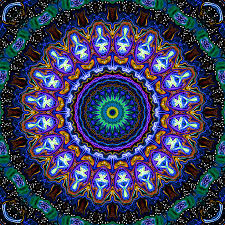
Kaleidoscopic Perception
The kaleidoscope is a bicentenary invention due to the Scottish optics researcher David Brewster, who in 1816 wrote the first kaleidoscopic treatise, nearly two hundred pages dedicated to the polarisation of light and the ideal number of coloured glass fragments necessary for the best variety of structures: twenty-four! It wasn’t until a few decades later…
-
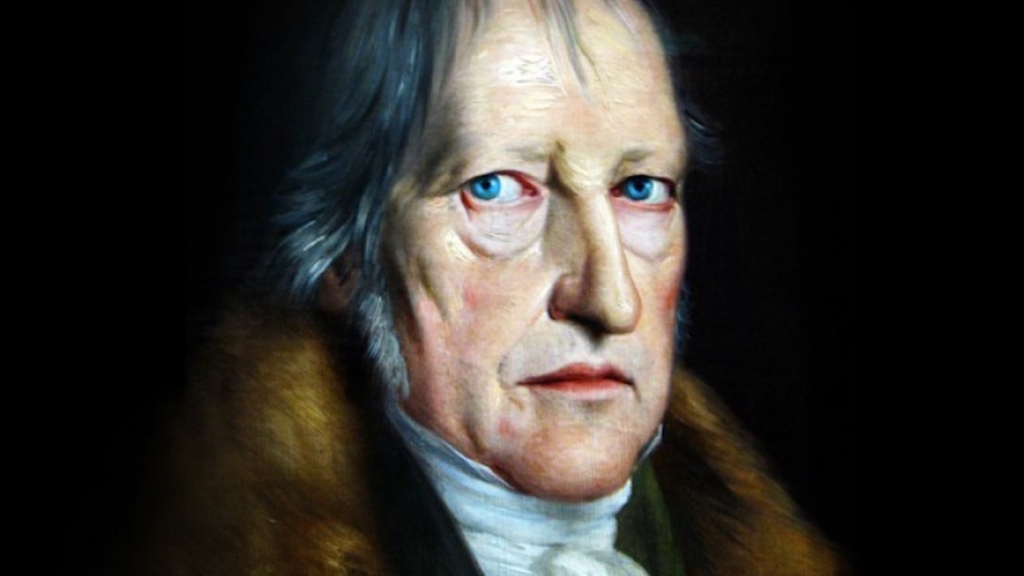
How to Understand Hegel in Just One Paragraph
I would argue that the paragraph below from Hegel’s lessons on the Philosophy of History contains his entire philosophy concentrated in just a few (dense) sentences. § 84 If we consider Spirit in this aspect — regarding its changes not merely as rejuvenescent transitions, i.e., returns to the same form, but rather as manipulations of…
-

A Short Philosophy of Duty
” What should I do ? Most of the philosophical texts on duty begin by citing this moral questioning of Kant. Is it a duty to quote Kant when philosophizing on duty? In a certain academic discourse, yes. Because duty is first and foremost a matter of ritual within a community of practice and belonging.…
-
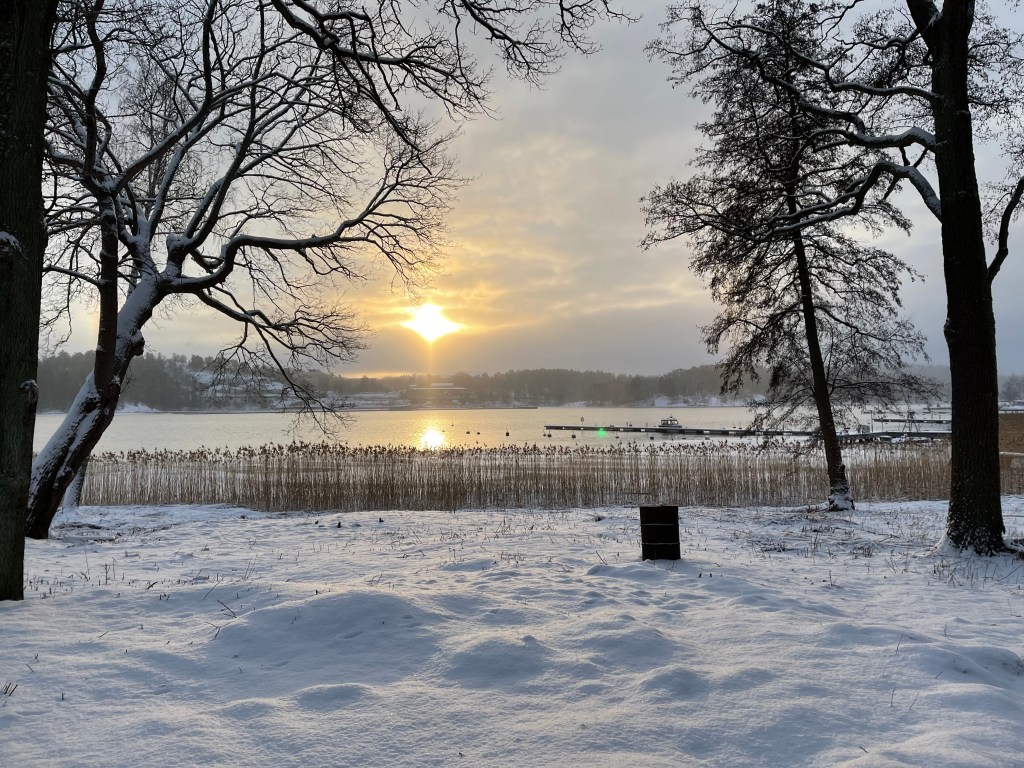
Philosophy as Embodied Vastitude and Vision
“Two things fill the mind with ever new and increasing admiration and awe, the more often and steadily we reflect upon them: the starry heavens above me and the moral law within me. I do not seek or conjecture either of them as if they were veiled obscurities or extravagances beyond the horizon of my…
-

Towards a Universal Science of Actualisation of Potentials
Generative science studies the complexity that emerges from the iteration of simple rules. From the point of view of crealectics, this approach is still somewhat connected to the overproduction paradigm inherited from mass capitalism. Crealectics see the world as relative simplicity emerging from infinite complexity, not the opposite. This might sound counterintuitive to our postmodern…
 CREALECTICS